


From Jon Haidt, Zach Rausch, and Alexa Arnold
When The Anxious Generation came out in March 2024, we expected that many parents would read it, but we had no idea how quickly the world was going to change. By the end of 2025, institutions, governments, and communities around the world began to respond to alarms parents had been raising for years.
As Jon wrote in a recent New York Times article, 2025 is a turning point for the movement to reclaim childhood. If you’re an After Babel subscriber, we know you share our concern about how technology is affecting kids. You may have children or grandchildren yourself — and you may sometimes feel like you’re in an uphill battle against the tech companies, devices, and screentime. But the tide is turning, and we are filled with hope as we look back at some of the incredible progress the world has made toward rolling back the phone-based childhood this year. To name just a few of those wins:
We witnessed spectacular steps forward in policy-change: Across the United States, 40 states have now enacted or advanced phone-free school legislation; in Brazil, all schools went phone-free nationwide. Everyday now, teachers share with us anecdotes about kids laughing in the hallways, playing games at the lunch table, being more attentive in class, and reading more books.
On Dec. 10, Australia turned one of the four norms from The Anxious Generation into a landmark law: They set an age minimum that prevents anyone under the age of 16 from entering into contracts with tech platforms that can exploit or harm them. Similar proposals are now being advanced in Brazil, Denmark, and Malaysia.
Cultural change is moving just as quickly to restore the play-based childhood. Families around the globe are giving their children more freedom to roam in the real world and setting up landline pods. Many Gen Z’ers themselves are speaking out and pushing back.
As this work has scaled, so has the need for connective leadership across research, culture, and policy-change efforts. Alexa Arnold joined us right after the book debuted to build our social impact approach, focused on driving policy, culture and behavior change across the globe. Behind the scenes, we are meeting this moment through our three interconnected entities: The Anxious Generation Movement (social impact), the Tech & Society Lab at NYU Stern (research), and this publication, After Babel. Together, and working closely with our partners, our team of researchers, strategists, communicators, and policy experts have expanded on the insights and solutions of The Anxious Generation and translated them into real-world change, always grounded in rigorous science. Beyond contributing to the wins above, we’ve been working tirelessly to add fuel to the rapidly spreading movement:
The Anxious Generation hit more than 85 weeks on the New York Times bestseller list, becoming a cultural and political touchstone and mobilizing tens of thousands of parents, teachers, and young people.
Just yesterday, we released The Amazing Generation — the new companion book for kids — putting practical, empowering tools directly into families’ hands and helping children choose life IRL over life online.
We formally established the Tech and Society Lab at NYU Stern, dedicated to understanding how digital technologies reshape childhood and adolescence. The lab published several working papers and essays engaging directly with debates over social media and youth mental health, while also expanding its scope well beyond that question.
We published extensively on After Babel and in the popular press, examining a wide range of topics, including online gambling, video games, and the rapid spread of AI chatbots.
We laid the groundwork for several major releases coming in 2026, including a feature article for The World Happiness Report that addresses social media’s causal impact on youth mental health, and a new public resource compiling and analyzing dozens of internal studies conducted inside Meta, many of which have garnered little prior media attention.
Here on After Babel, we published 67 articles by 66 distinct authors (several essays were co-authored), reaching hundreds of thousands of readers around the globe. Below we’ve included our top 10 most-read essays from 2025 — we hope you’ll revisit and share them.
Before we close out this remarkable year, we want to thank all 172,000+ of you for reading After Babel, for supporting this movement, and for being part of a growing global effort to understand and shape the future of childhood in the digital age.
Our operation, including After Babel, is completely powered by philanthropy. If you’re excited about what we’ve done and where we’re headed and would like to make a year-end gift, we invite you to do so at anxiousgeneration.com/donate.
We wish you all a happy new year!
– Jon, Zach, and Alexa
Top Ten Most Read After Babel Posts of 2025
#10. Time To Refuse
by Freya India
(October 5, 2025, 177k reads)
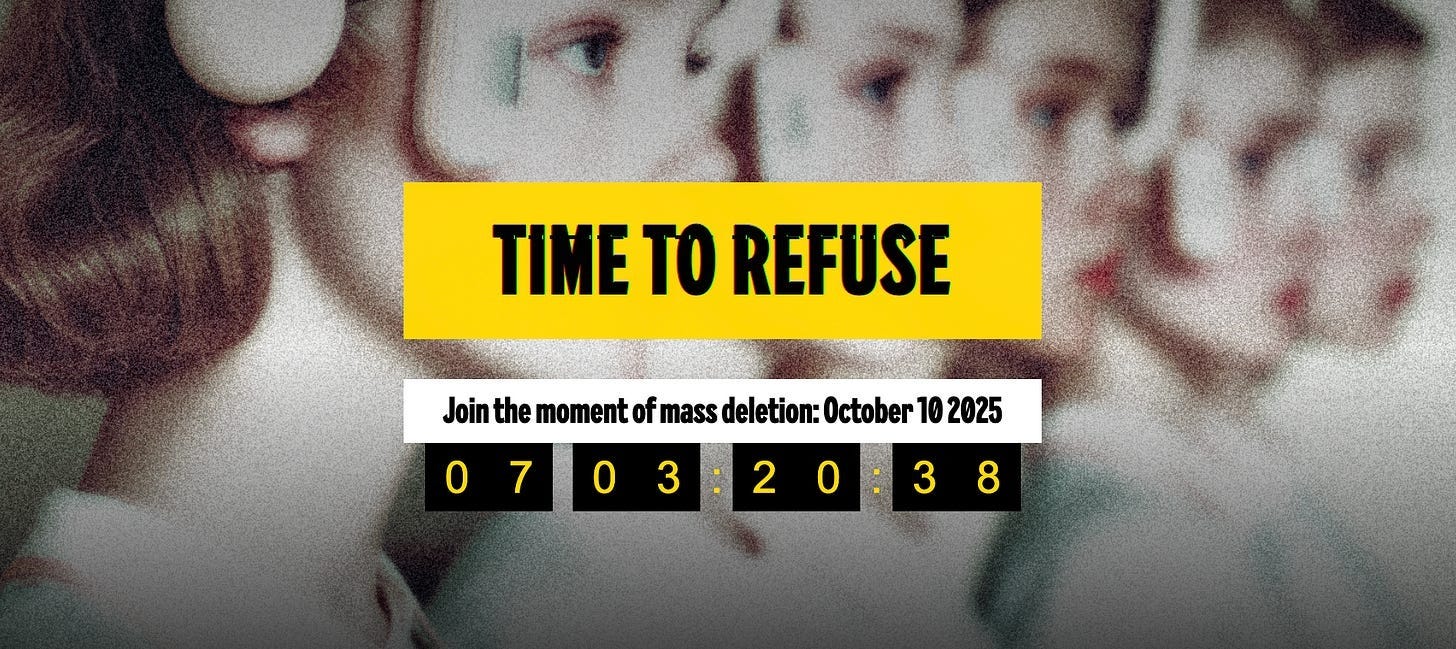
In this manifesto, a group of Gen Z writers reflect on what it meant to grow up online and issue a call for young adults to reclaim their lives, attention, and humanity from tech.
Excerpt: “For our generation, we need to acknowledge what we’ve lost. To grieve a time we never knew. We are the first to try and handle adolescence while performing and marketing ourselves at the same time. The first to never know friendship before it became keeping up SnapStreaks, community before it became Instagram and Reddit forums, or finding love before it became swiping and subscription models. The next generation has a chance, but for us, there’s no getting our adolescence back. This is where we are.
…We have a choice here: become someone rare, live a life that’s real and different and means something, or continue handing over our lives, our creativity, our humility, our privacy, our dignity, and allow companies to rob us not only of our childhood but the rest of our lives too. We are not vulnerable children anymore—we are adults with agency. And the choice before us is between being a product or a person. Between imaginary worlds and reality. Between a life well lived and a life half-lived. Between reaching our full potential or forever battling for our own focus. This is a fight for our peace of mind, for our relationships, for our humanity.”
#9. The Most Compelling Argument Against Tech in Schools
by Jon Haidt and Sophie Winkleman
(February 27, 2025, 185k reads)
Sophie Winkleman reflects on what screens and educational technology are doing to childhood, learning, and human connection.
Excerpt: “Children who have their eyes on the teacher at the front of the classroom learn better than they do from a screen. Why is the rush to remove human beings from the learning experience so lauded? Why is it considered progress to render ourselves obsolete?”
#8. It Was the Damn Phones
by Kori Janes
(June 12, 2025, 180k reads)
A powerful poem from Gen Z poet Kori Janes.
Excerpt: “We used to be scared of robots gaining consciousness, a lie by the media companies.
To keep us distracted enough, so not to become conscious of the mess they created.
We are the robots. We are the product. And so I sit and I scroll and I rot on repeat.
Sit and scroll and rot.
Until my thoughts are what is being fed to me on TV,
until my feelings are wrapped up in celebrities,
until my body is a tool of my political identity.
I sit and I scroll and I rot.
And I post on the internet how the internet has failed us
so that I may not fail my internet presence. I think our parents were right.
It was the damn phones.”
#7. TikTok Is Harming Children at an Industrial Scale
by Jon Haidt and Zach Rausch
(Jan 9, 2025, 181k reads)
A dive into the internal research conducted and conversations TikTok executives and employees had about adolescent health.
Excerpt: “We show that company insiders were aware of multiple widespread and serious harms, and that they were often acting under the orders of company leadership to maximize engagement regardless of the harm to children. As one internal report put it:
“Compulsive usage correlates with a slew of negative mental health effects like loss of analytical skills, memory formation, contextual thinking, conversational depth, empathy, and increased anxiety,” in addition to “interfer[ing] with essential personal responsibilities like sufficient sleep, work/school responsibilities, and connecting with loved ones.”1
Although these harms are known, the company often chooses not to act. For example, one TikTok employee explained,
“[w]hen we make changes, we make sure core metrics aren’t affected.” This is because “[l]eaders don’t buy into problems” with unhealthy and compulsive usage, and work to address it is “not a priority for any other team.”
#6. Snapchat is Harming Children at an Industrial Scale
by Jon Haidt and Zach Rausch
(April 16, 2025, 192k reads)
A dive into the internal research conducted and conversations Snap executives and employees had about adolescent health.
Excerpt: “Similar to TikTok, we show that company insiders were aware of multiple widespread and serious harms, and in many cases did not act promptly or make substantial changes. As Snap’s director of security engineering said regarding Android users who are selling drugs or child sexual abuse material on Snap:
“That’s fine it’s been broken for ten years we can tolerate tonight.”
With regard to sextortion on the platform [Snap receives ~10,000 cases of sextortion each month], one employee had complained in a private channel:
“God I’m so pissed that were over-run by this sextortion shit right now. We’ve twiddled our thumbs and wrung our hands all f…ing year.”
The briefs allege that the company is also aware of rampant underage use, and of the ineffectiveness of their age gating process. Snap executives have admitted that Snapchat’s age verification system
“Is effectively useless in stopping underage users from signing up to the Snapchat app.”
#5. We Are The Slop
By Freya India
(September 29, 2025, 201k reads)
Freya India argues that we are not just consuming millions of hours of mindless entertainment — but that we are turning our own lives into it.
Excerpt: “That after offering everything up, every inch of their lives, every finite moment on this Earth, it does not matter how much they stage, how much they rehearse, how much they trade, how long they leave the cameras rolling, we will always wonder, eventually, what else is on?”
#4. It’s Not Just a Game Anymore
By Bennett Sippel and Zach Rausch
(July 21, 2025, 219k reads)
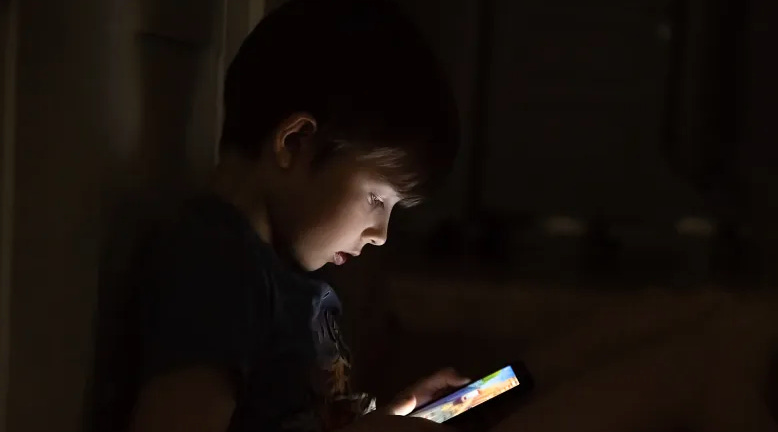
Bennett Sippel and Zach Rausch show how new monetization models changed online gaming, and offer advice to parents.
Excerpt: “Game companies know about these problems, yet they try to push their users to whatever will make them the most profit regardless of the risks to the users. For example, EA’s FIFA game monetizes users with FIFA Ultimate Team (FUT) mode which incentivizes users to spend on FUT packs to build the best soccer team. In a leaked internal presentation 2021 from EA, owner of FIFA, it stated the following:
“Players will be actively messaged + incentivized to convert throughout the summer. FUT is the cornerstone and we are doing everything we can to drive players there.”
Many developers understand the problems too. That’s why some of them don’t let their own children play the games they help create. As one explained in a New York Times op-ed titled I Make Video Games. I Won’t Let My Daughters Play Them, the concern is real. The author said that in regards to his own children,
Thinking about my games in my daughters’ hands, I had to confront what these products really were and what they could do. Knowing all the techniques with which we tried to bring about addiction, I realized I didn’t want my children exposed to that risk.
Even employees inside major gaming companies are speaking up. In one lawsuit filed against Roblox, one Roblox employee was quoted saying:
You’re supposed to make sure that your users are safe but the downside to that, if you’re limiting user engagement, it’s hurting our metrics. It’s hurting our active users, the time spent on the platform, and in a lot of cases leadership doesn’t want that.”
#3. The Devil’s Plan to Ruin the Next Generation
by Jon Haidt
(Dec 1, 2025, 238k reads)
An essay on how the devil would destroy the next generation, from the perspective of ChatGPT.
Excerpt: “Earlier this year, someone started a viral trend of asking ChatGPT this question: If you were the devil, how would you destroy the next generation, without them even knowing it?
Chat’s responses were profound and unsettling: “I wouldn’t come with violence. I’d come with convenience.” “I’d keep them busy. Always distracted.”
“I’d watch their minds rot slowly, sweetly, silently. And the best part is, they’d never know it was me. They’d call it freedom.”
As a social psychologist who has been trying since 2015 to figure out what on earth was happening to Gen Z, I was stunned. Why? Because what the AI proposed doing is pretty much what technology seems to be doing to children today. It seemed to be saying: If the devil wanted to destroy a generation, he could just give them all smartphones.”
#2. On The Death of Daydreaming
by Christine Rosen
(May 5, 2025, 241k reads)
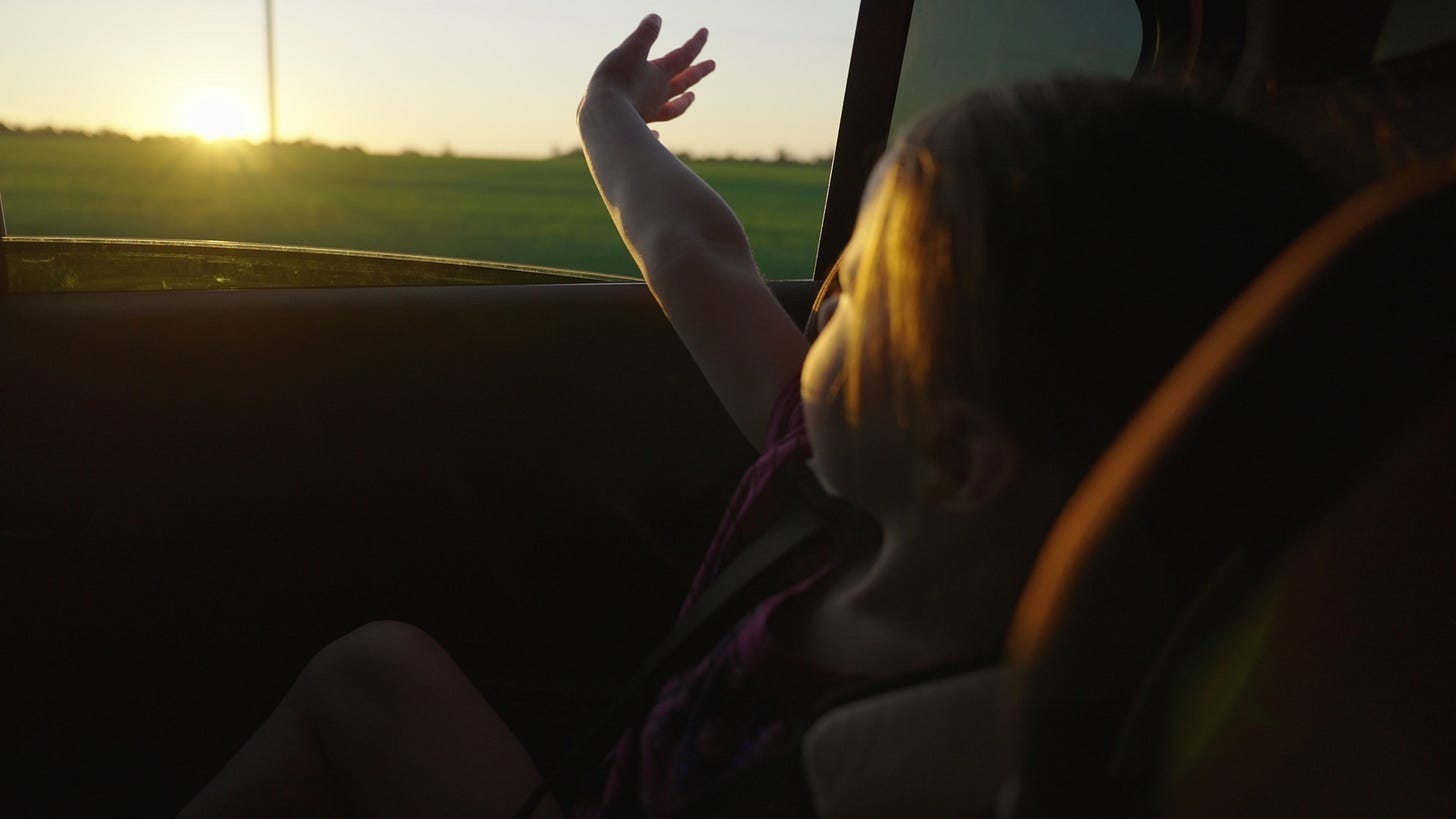
Christine Rosen on how a world without boredom is a world that steadily erodes our humanity.
Excerpt: “Can you remember the last time you daydreamed? Or coped with boredom without reaching for your phone? Before the era of mobile technology, most of us had no choice but to wait without stimulation, and often, that meant being bored.
But today we need never be bored. We have an indefatigable boredom-killing machine: the smartphone. No matter how brief our wait, the smartphone promises an alleviation for our suffering.”
#1. The Mass Trauma of Porn
by Freya India
(June 4, 2025, 268k reads)
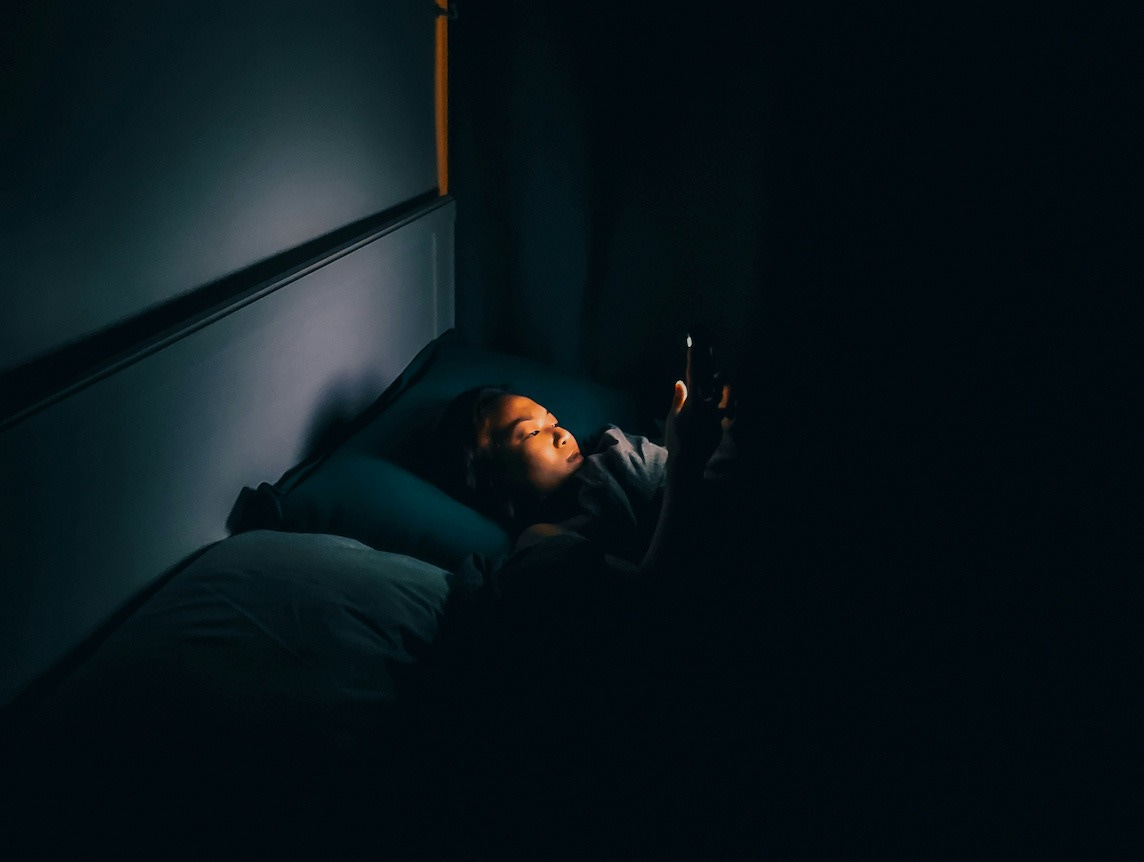
Freya India reflects on how growing up with unlimited access to online pornography has altered a generation’s understanding of intimacy and humanity.
Excerpt: “Imagine you meet a teenage girl who starts telling you about her childhood, when she mentions, somewhat casually, that she was shown porn by a strange man. He introduced her to it when she was nine, before she had even held hands with a boy, before she had gotten her first period, without her parents knowing. Week after week, he showed her more, each time something more extreme. By ten it seemed normal. By eleven, she was watching regularly on her own. She is calm about this, reassuring you that this has happened to most of her friends.
Would anyone think this was normal? Part of coming-of-age, her healthy development? Exploring her sexuality? Or would we call this abuse?
This is exactly what is happening to children today when we hand them a smartphone. But instead of one stranger introducing them to porn, it is a billion-dollar industry, profiting from their trauma.”
I’m so thankful for your work and research. I a middle school counselor and HS coach. The amount of anxiety relating to the smart phone is insane! In our school district we’ve implemented a lot of your ideas like banning phones. It’s been great!
Quebec's full cellphone ban in schools, effective this fall, covers the entire day including breaks. Education Minister Bernard Drainville's announcement aligns with evidence that phones distract from learning. That's real progress, though federal action on social media lags provinces.